

Tarangire National Park
Where lions climb and elephants roam through baobab landscapes
Experience Tanzania’s northern hidden gem – as a short getaway or a calmer counterpoint to safaris in Serengeti and Ngorongoro.
Why Tarangire National Park is so unique
Elephants, Baobabs & Lion magic
Tarangire is all about huge elephant herds, mighty baobab trees and lions that sometimes climb into the branches – a sight you won’t forget.
In the dry season, many animals gather along the Tarangire River because it provides permanent water. Elephant families wander leisurely through the savannah, browse leaves from the trees or scoop water from the riverbed with their trunks.
Giraffes, zebras, buffaloes and antelopes graze nearby, while hippos and birds populate the swamps. And yet the park often feels calmer and less crowded than other destinations in northern Tanzania.

Tarangire: River, Hills, Wetlands
The Serengeti is known for endless plains and the Great Migration, whereas Tarangire offers a more compact park with gentle hills, striking baobab forests, a perennial river and seasonal wetlands.
In the dry season, the Tarangire River acts like a magnet: elephants, buffaloes and other grazers move in from drier regions, predators follow and chances for lion sightings are very good.
At the same time, the park is less busy than Serengeti and Ngorongoro. Many guests experience Tarangire as a very varied yet pleasantly tranquil safari area.
.jpg)
Who Tarangire is ideal for
Tarangire is perfect for travellers who want plenty of wildlife encounters in a relatively short time – for example as the first stop on a northern Tanzania safari.
The park is easy to reach from Arusha, and the internal driving distances are manageable – ideal for families with children. Photographers love the warm light, the baobabs and the many elephants along the river.
Birdwatchers can look forward to more than 500 species, while culturally interested guests can visit Maasai communities around the park. And anyone who prefers a calmer atmosphere than in the Serengeti will enjoy relaxed yet eventful safari days here.
.jpg)
Highlights of Tarangire National Park
At Tarangire National Park, ancient baobabs rise over wide, sunlit plains while the Tarangire River quietly draws elephants, giraffes, and buffalo into its rhythm. As the light softens toward evening, the landscape glows amber, baobabs fade into silhouette, and the vast sky leaves a lasting sense of calm and timeless Africa.

Elephant herds
During the dry season, large elephant herds gather along the Tarangire River. You can watch them bathing, drinking and slowly moving through the savannah.
Elephant Herds
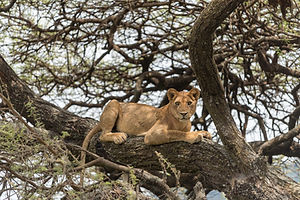
Lions in the Trees
Again and again, lions can be seen resting in the branches of big trees – sometimes entire prides. A rare sight that makes every game drive special.
Lions in the Trees

Southern Swamps & Hippos
In the south of the park, seasonal swamps dominate the landscape. Hippos and waterbirds thrive here – a fascinating contrast to the drier savannah in the north.
Southern Swamps & Hippos

Night Game Drives
In selected camps in and around Tarangire, night game drives with special permits are possible. In the beam of the spotlight, the eyes of predators, buffaloes and other nocturnal animals suddenly glow in the dark.
Night Game Drives

Balloon Experience
At daybreak, you float silently over the baobabs and the Tarangire River. From above, elephants, giraffes and buffaloes look like tiny figures in a vast landscape.
Balloon Experience
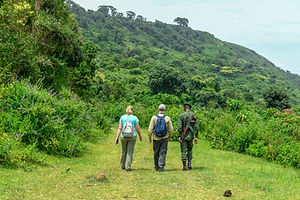
Walking safaris & birdwatching
Selected lodges offer guided walking safaris with an armed ranger. On foot you discover tracks, plants and the birdlife from up close
Walking safaris & birdwatching
Best time to visit Tarangire National Park
Tarangire National Park can in principle be visited all year round. Thanks to the perennial Tarangire River, wildlife density is highest during the dry season.
Our Suggestions for Your Tarangire Safari
Safaris, wide-open landscapes, and abundant wildlife – Tarangire offers a relaxed yet powerful safari experience shaped by elephants, baobabs, and seasonal river life. Choose between a short getaway, a classic northern circuit stop, or an unhurried safari ideal for families and nature lovers.

Classic Northern Circuit
Tarangire → Serengeti → Ngorongoro
Best for: First-timers, Big 5 seekers
Duration: 5–7 Days

Classic Northern Circuit
Tarangire → Serengeti → Ngorongoro
Best for: First-timers, Big 5 seekers
Duration: 5–7 Days

Classic Northern Circuit
Tarangire → Serengeti → Ngorongoro
Best for: First-timers, Big 5 seekers
Duration: 5–7 Days

Classic Northern Circuit
Tarangire → Serengeti → Ngorongoro
Best for: First-timers, Big 5 seekers
Duration: 5–7 Days
Helpful tips for safaris in Tarangire National Park
A safari in Tarangire National Park is an exciting experience – especially if it’s your first time. With these tips, you’ll be well prepared to enjoy your adventure.
What to Pack
-
Neutral-colored clothing
-
Lightweight layers for changing temperatures
-
Comfortable closed shoes
-
Wide-brim hat and sunglasses
-
Binoculars and a camera with zoom lens
-
Insect repellent and sunscreen
-
Soft duffel bags instead of suitcases
-
A Type G, D travel adapter
What to Expect
-
Game drives early in the morning and in the afternoon, each lasting several hours
-
Time to relax in the lodge or camp between activities
-
Dusty, bumpy roads and long drives are part of the safari experience
-
Safari vehicles are open 4x4s – close-to-nature encounters guaranteed
-
In selected camps, walking safaris or night drives are also possible*
(*depending on lodge and availability)
Entry Requirements
-
Tourist visa required, e-Visa recommended
-
Yellow fever vaccination if arriving from risk areas or transit > 12 h
-
Passport valid at least 6 months beyond entry date
-
Proof of return or onward ticket required
-
Import/export of Tanzanian shilling (TZS) prohibited
-
Cash over USD 10,000 must be declared
Frequently asked questions about Tarangire National Park safaris
Tarangire is rarely the first name that comes to mind – here we answer the most important questions about safaris in this special park: from length of stay and wildlife sightings to how it fits into your overall itinerary.
1. How many days should I plan for Tarangire National Park?
At least 2 nights are recommended, 3 are better. This gives you time for several game drives at different times of day and to explore both the river area and the southern swamps.
2. Is Tarangire National Park suitable for children?
Yes, many lodges are family-friendly. It is important that children understand the safety rules and are always accompanied by an adult in the camps. Game drives can be shortened if needed.
3. Which animals can I reliably expect to see in Tarangire?
Elephants, giraffes, zebras, buffaloes, impalas and various monkey species are seen almost daily. Depending on the time of day, you may also encounter lions, cheetahs, leopards, hyenas, hippos, crocodiles and a great variety of birds.
4. How is a safari in Tarangire different from other parks?
Tarangire is less crowded than Serengeti or Ngorongoro, yet offers some of the highest wildlife densities during the dry season. The mix of baobabs, river scenery and wetlands makes for a very diverse setting.
5. What kind of accommodation is available?
You can choose from comfortable lodges to stylish tented camps. Many properties are unfenced, so wildlife can move freely – creating an authentic yet safe safari atmosphere.
6. How does Tarangire fit best into a safari itinerary?
A classic route starts in Arusha, continues to Tarangire, then Lake Manyara and Ngorongoro Crater, followed by the Serengeti. Afterwards, a beach stay on Zanzibar is a great option. Tarangire is an ideal first stop to ease into the safari rhythm.